

The library at DPS Badhani in Punjab’s Pathankot wasn't where Sagrika Saraf expected to
find her calling. The boarding school and its hostel rules were strict, and as a Science
student on the well-trodden path to medical school, she was doing exactly what was
expected of a top student from a small-town family everyone knew.
But tucked between the rigid schedules and endless rules, the library became her
sanctuary. And there, in stacks of Inside Outside magazines, she found something that
made her heart race in a way textbooks never had.
"It was so calming for me to read about different interiors," Sagrika recalls. "That's
where it struck me: I did not want to become a doctor anymore.’ That’s how the door to
design opened up.
The First Step, Reconsidered
"When I decided I wanted to do interior designing, my relative was the one to motivate
me. He runs a glass manufacturing unit and was the only one with the slightest idea
about the field I aspired to be in. With our pros and cons list, I ended as one of the
top students in my undergraduation."
Soon after, Sagrika took up a role at a Gurgaon-based design firm. Fifteen days later,
she left.
"It was repetitive, felt robotic, and I could not see much growth in the near future,"
she remembers. Returning home nervous and uncertain, she had to figure out how to start
from scratch. The biggest lesson? "Never settle for less money and understand your own
worth."
In November 2018, a suggestion from her friend Priyanka—to post her work on
Instagram—quietly set everything in motion.
Paris, Pandemics, and Pivots
Fast forward to 2019, and Sagrika was living her dream in Paris, pursuing a Masters in
Interior Design at Paris College of Art. Her projects reflected a deep commitment to
social impact—creating products for children with cerebral palsy, designing spaces for
underprivileged communities in Delhi's streets, and developing an extension of home for
refugees in Paris.
That project drew the interest of the firm she was collaborating with. Impressed by her
model, they verbally agreed to take it forward.
Then COVID-19 hit.
Within two days, Sagrika was back in her hometown and completed her final project online
during lockdown, watching her carefully laid plans dissolve into uncertainty.
As the pressure mounted and only the healthcare sector remained operational, she turned
inward. Her family owned a healthcare clinic—“to be frank, it was valid,” Sagrika
admits. She gave it a try, designing her office and the manager’s cabin. She was bored
out of her mind.


The Conception of ‘Design Diaries’
That boredom became a catalyst. If she couldn't work in design firms or teach in person,
she'd create her own path. Using nothing but her phone, free editing software, and that
same "boring" office as a makeshift studio, Sagrika started recording.
Her first attempt—a twenty-minute course on Udemy—flopped. But it gave her something
more valuable than success: confidence. She'd proven to herself she could create
content, and could put herself out there.
When she started posting on Instagram, something unexpected happened. People watched.
They got engaged.Then, a distant cousin reached out, seeking advice on her home. Sagrika
designed their study room and lobby, and suddenly the equation revealed itself: content
leads to trust, trust leads to clients, clients lead to work.
Design Diaries was born. Not from a business plan, but from necessity,
creativity, and a
smartphone.
Years progressed in gradual growth and in 2024, Sagrika landed a teaching job conducting
live classes. "But I did not enjoy it as much as I thought I would," she confesses. She
couldn't be someone who repeated herself endlessly, no matter how much she loved sharing
knowledge.
That's when the pieces fell into place. Content creation offered the best of both
worlds. Her formula became clear: content → leads → work → revenue.
Finding Her Niche: Designing Gyms Through Psychology
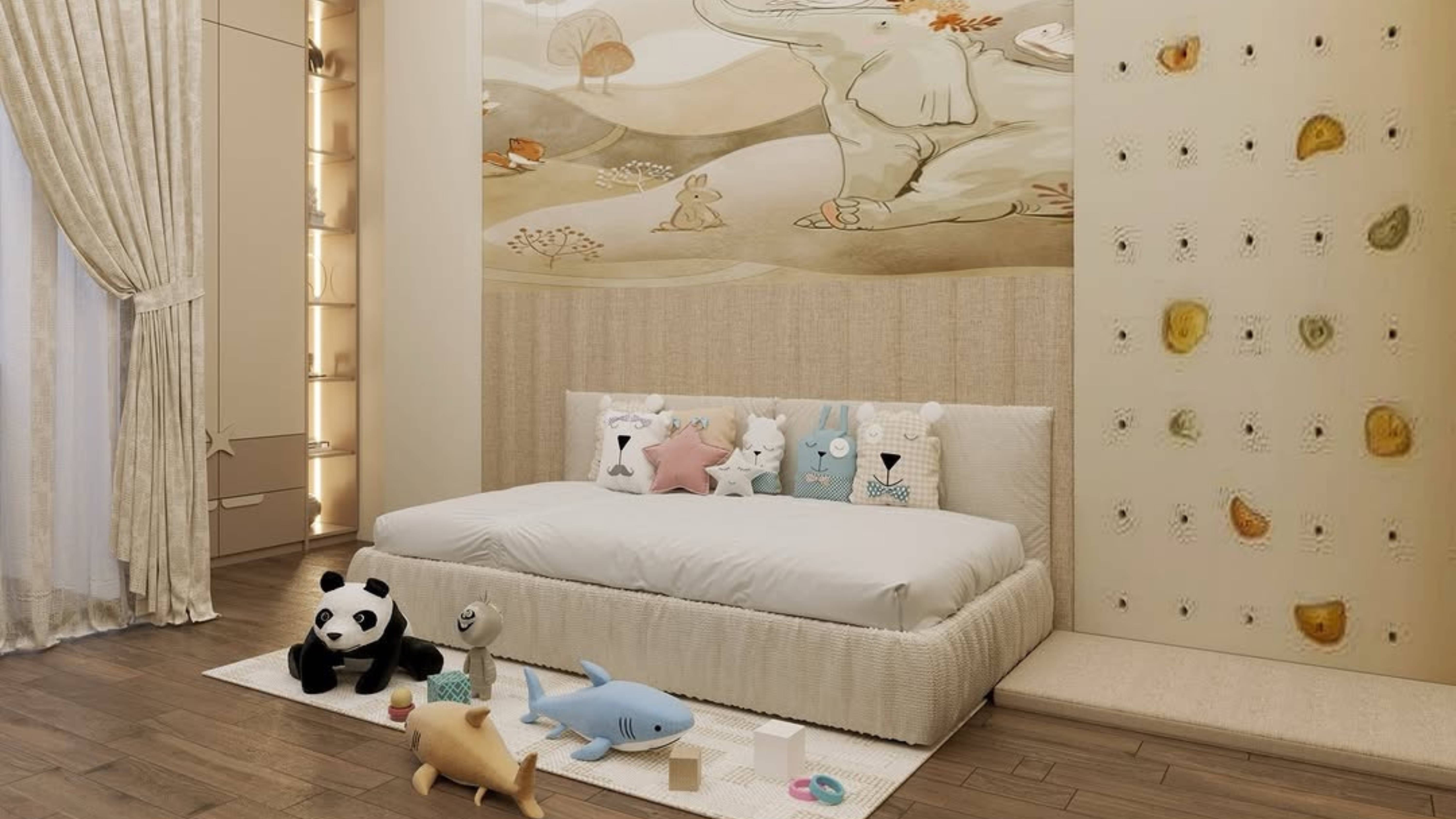
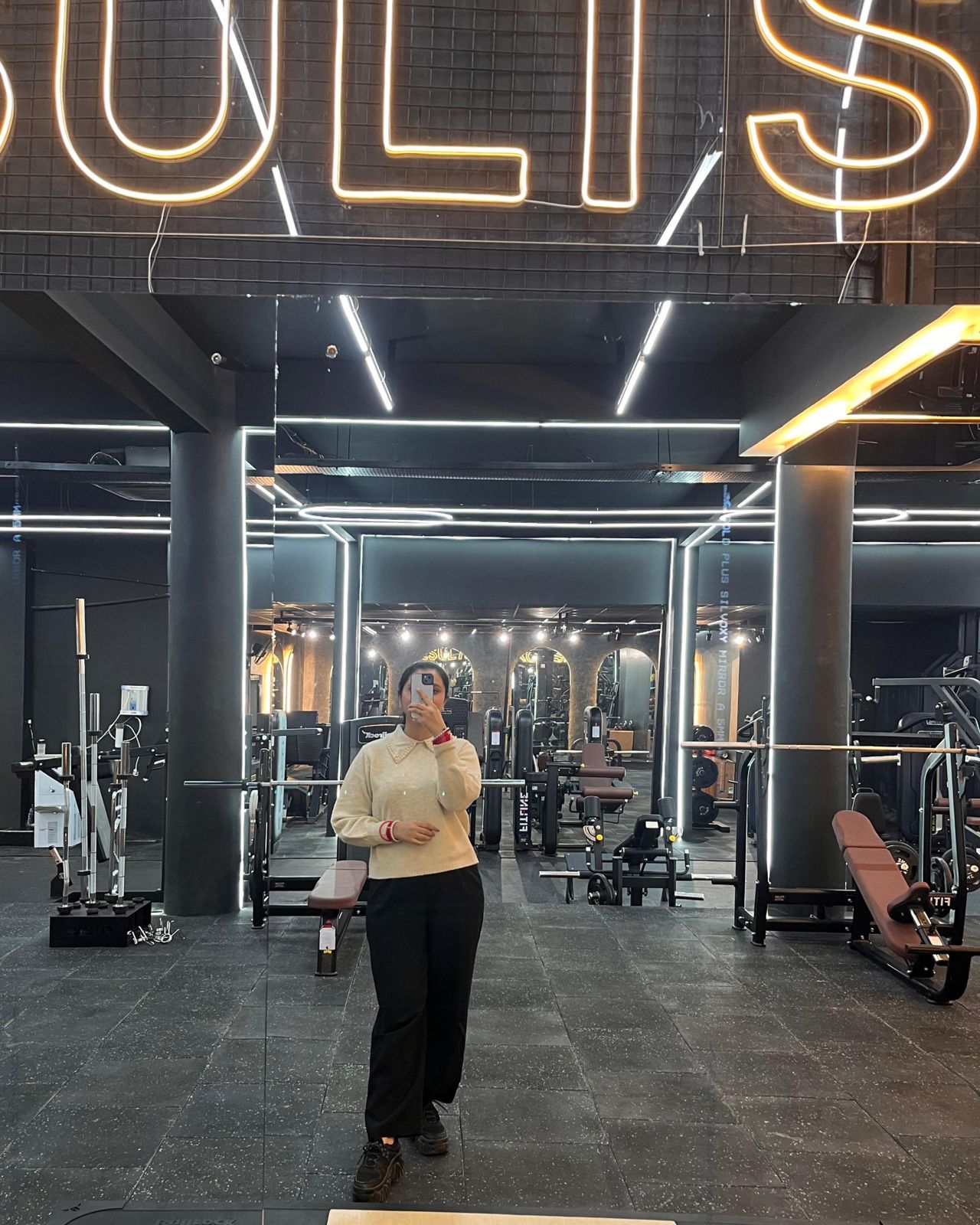
While Design Diaries handles residential projects, healthcare spaces, retail stores, and
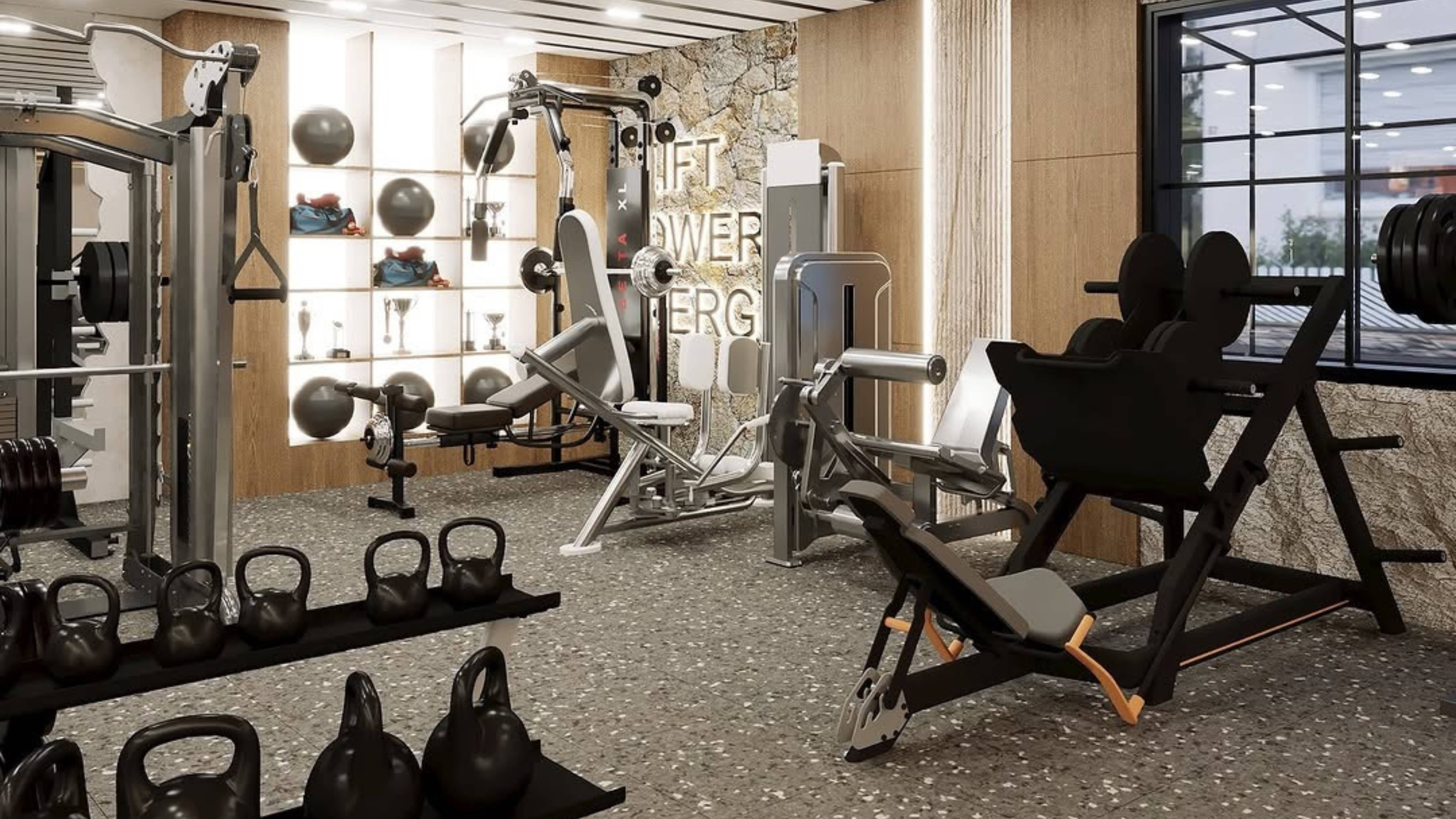
offices, it's gym design where Sagrika and her brand truly shine.
"Gym Designing is something that very naturally went great for the firm," she explains.
"It's very interesting as a niche because we get to apply our core philosophy—using
human behavior as the basis of design."
She's discovered something crucial about gyms that most designers miss: everyone who
walks through the door shares one fundamental goal—to be fitter. That common motivation
creates a unique design challenge.
Having designed over ten gyms, Sagrika has identified multiple typologies of people
running and using these spaces. "The uniqueness is in the typology, not the design
style," she emphasizes. "You can call our style 'adaptive.' The gym has to represent the
brand, the core values, and the reason for its existence."
"For Sagrika, design isn't about imposing an aesthetic—it's about understanding people. "Design is not art for me," she says. "It's an understanding of human behavior, and that's how we bring spaces to life."
Design Diaries, by SagrikaProcess, the Design Diaries Way
When a client comes to Design Diaries, they're not just hiring someone to pick paint
colors. They're entering a comprehensive partnership that covers every detail from
layout to final styling.
It starts with a deep-dive meeting. If it's a gym, Sagrika asks: What audience are you
catering to? Where is the location? What kind of people will use this space? Should it
be a lifestyle gym, a strength-focused facility, or maybe a Zumba-centric
studio?
From there, the team creates presentations with layouts, textures, colors, reference
images, and sketches. Once elements are finalized, they move to 3D renderings showing
how the complete space will look, followed by detailed 2D drawings for every
contractor—carpenters, electricians, plumbers.
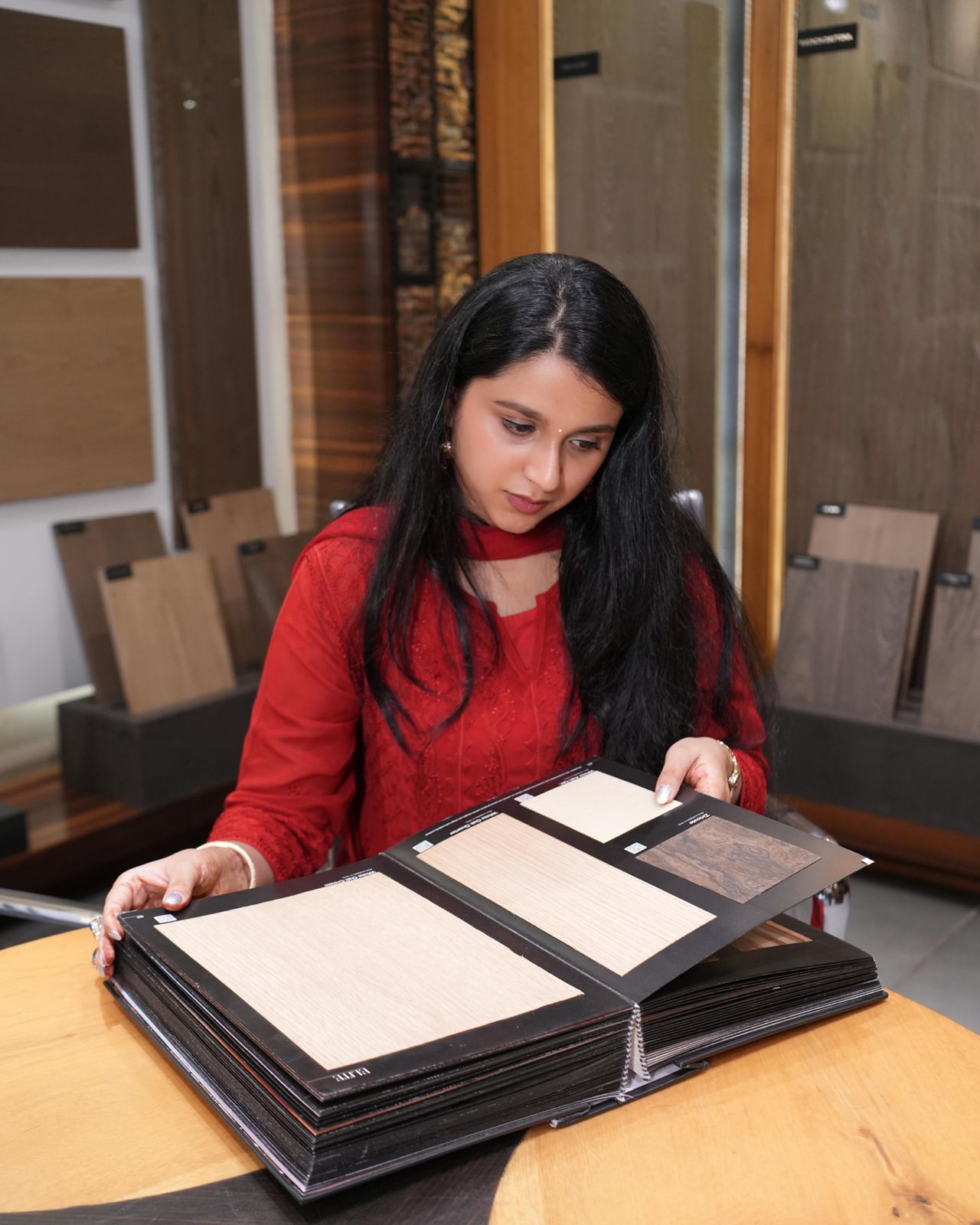
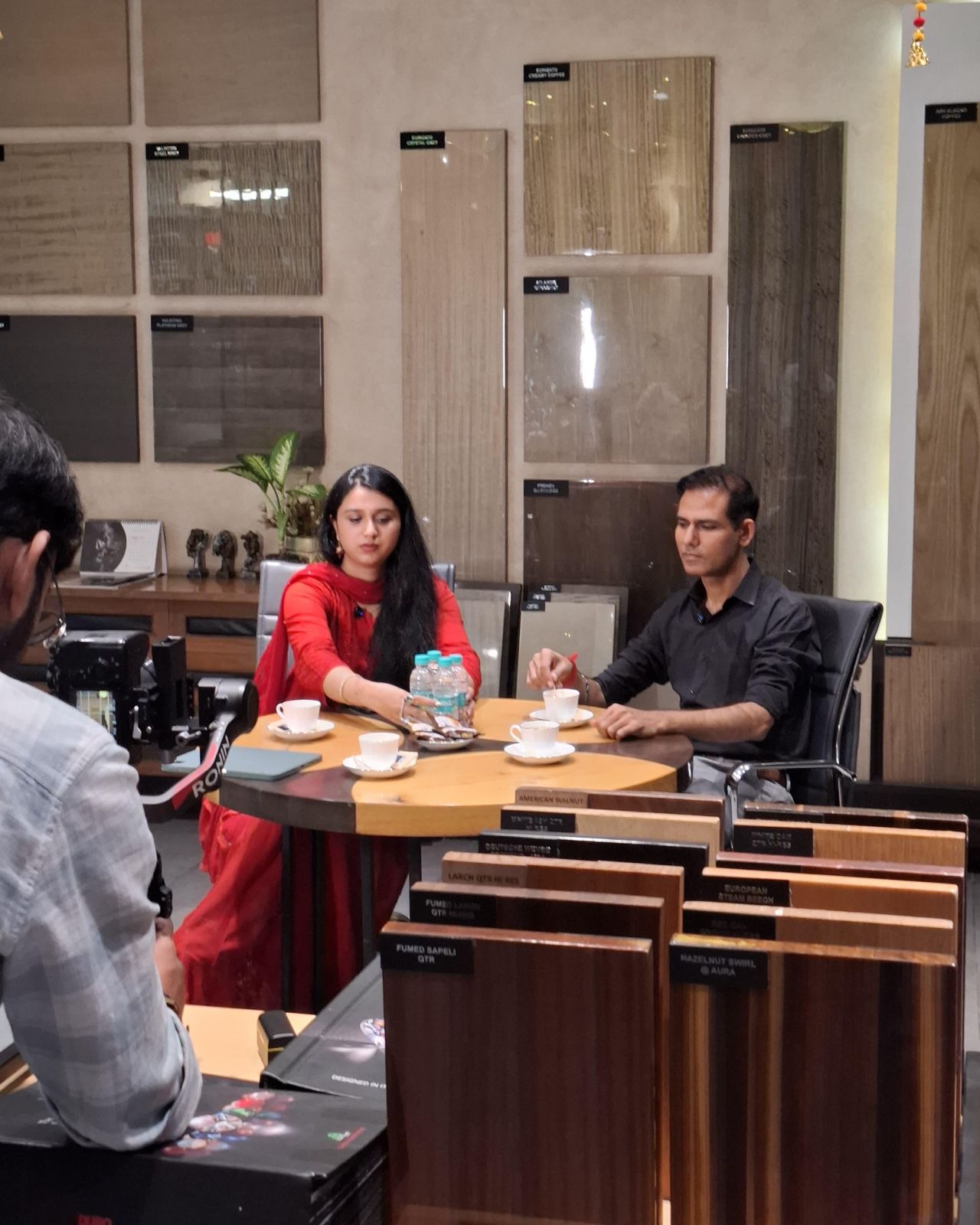
Then comes the selection day, where Sagrika accompanies clients to choose tiles, wall
materials, paints, and every finishing touch. Site visits happen throughout, ensuring
execution matches vision.
"We create a space for clients to rely on us at every step," she says. For residential
projects, that even extends to styling—what bedding to choose, how to coordinate decor
pieces. It's comprehensive, personal, and rooted in trust.
Building Community, Breaking Myths
Design Diaries continues to grow even as a platform for design education.
"I've seen many people misleading each other, saying you should only use this particular brand or that particular product," Sagrika says. "I want to break that myth."
Design Diaries, by SagrikaDrawing from her personal experience with products and materials, she's creating content
to build a community where people can trust her recommendations. Not because she's
pushing products, but because she's sharing genuine knowledge. "The main idea is to
create a safe space where people can come and ask: How do I do this? How do I create
this space into something else?" she explains.
Claiming Space in a Male-Dominated Industry
Sagrika refuses to "play the woman card," but she acknowledges a truth about her
industry: from masons to carpenters to electricians and plumbers, she works in a
male-dominated field.
But rather than fight against the dynamic, she adapted. "I had to change my ways. Even
today, sometimes I feel like I have to satisfy someone's ego before telling them they're
wrong. I tell them, 'You're generally right, and this is something you've done very
well. But this is something we can do better.'"
She's learned to work with teams across the country, often not her own employees,
conveying instructions in specific tones and wording to ensure her designs are executed
precisely. "I had to build that confidence in myself and become someone who could tell
people clearly: I know what I'm doing, and you have to follow this."
Principles for Emerging Designers
After navigating from boarding school libraries to Parisian studios, from family offices
to her own thriving business, Sagrika has a few pieces of hard-earned advice for those
aspiring to enter the design world:
1. Be Original, But Stay Grounded: Design schools encourage wild imagination and
overboard creativity, which is valuable for learning. But in business, you must respect
your client's wishes, boundaries, finances, and audience.
2. Know Your Worth From Day 1: "Having a niche, having something you're really
good
at—that's the only thing that's going to help," Sagrika insists. Your focus and skill
matter more than your resume length.
3. Never Work For Free: Your time, expertise, and creativity have value. The
moment you
give them away, you've set a precedent that devalues your entire profession.
Today, Design Diaries continues to grow, grounded in Sagrika's philosophy that design is
fundamentally about understanding human behaviour. From her base in Jammu, she works on
projects across India, building a community online while bringing spaces to life
offline.
“I don’t design for aesthetics alone; I design for the way life actually unfolds inside
a space.” Sagrika says.